Uluwatu with Kids: The Monkeys, the Cliff Path and the Dance
The short answer
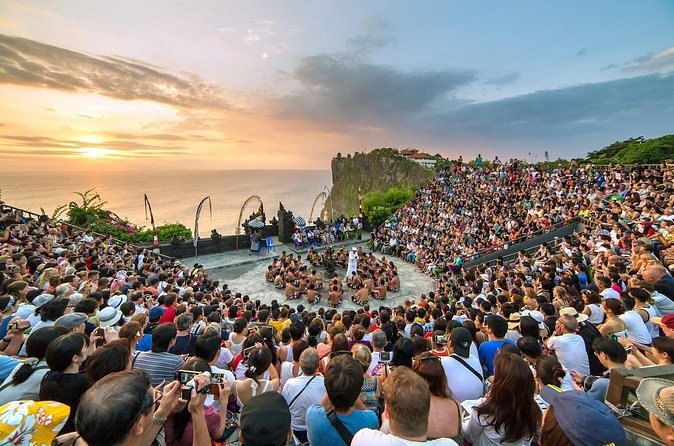
Yes, with three caveats you can plan around. The monkeys take things, the cliff path has an unfenced drop in places, and an evening built around the six o'clock performance finishes near seven with a drive home after it. Handle those and Uluwatu is one of the easier big sights in Bali to do with children: the walk is short, and the dance is an hour of fire and story with no dialogue to follow.
The three worries, answered first
The monkeys. They take sunglasses, hats, phones and anything loose, and they will take them off a child as readily as an adult. Nothing goes on a head and nothing goes in an open pocket. Put it all in a zipped bag before the ticket window, and hold small hands through the narrow stretch just past it, which is where the troop is densest.
The cliff path. There is a low wall along most of it and gaps in places, with seventy metres below. It is not a scramble and it is not steep, but it is uneven stone and it is not a place to let a small child run ahead.
The timing. The performance starts at 18:00 and finishes around 19:00. From Seminyak that means being back at the hotel some time after eight. For a toddler that is a lot; for a seven-year-old it is usually fine and memorable.
What children actually enjoy here
- The fire. The Kecak ends with a performer barefoot in burning coconut husk. It holds a room of any age.
- The chorus. Seventy men chanting in interlocking rhythm, with no instruments at all, is strange enough to be interesting even to someone who is not following the story.
- The monkeys — from a safe distance, once everything is zipped away, they are the highlight of the walk.
- The drop. Looking straight down a cliff at surf is its own entertainment.
Ages, honestly
| Age | How it goes | What to do |
|---|---|---|
| Under 3 | The walk is fine; the 18:00 start is late | Go in the morning for the temple, skip the dance |
| 3–6 | Works, with a carrier or a nap beforehand | Book a private car so you can leave when you need to |
| 7–12 | The best age for it | Full evening: temple, dance, dinner on the beach |
| Teenagers | Straightforward | Add a beach earlier in the day |
What it costs for a family
Children pay less at both windows. Temple admission is IDR 40,000 for a foreign child against IDR 60,000 for an adult, and a child's dance seat is around IDR 75,000 against IDR 150,000. Indonesian families pay the domestic rate, which is lower again. The full table is on visitor information.
Several operators go further: one lets infants under two travel free, another provides infant seats on request, and a third takes children from three. Those are booking details rather than page details, so check them on the listing you are considering.
Practical kit
- A bag that zips, for everything that would otherwise be taken.
- Water. There is no shade on the cliff path and nothing sold out on it.
- Something to sit on. The amphitheatre is tiered stone.
- A light layer for after the sun goes down, when the wind comes up on the clifftop.
Making a whole day of it
The temple takes an hour, which leaves a lot of afternoon. The beaches within twenty-five minutes — Melasti and Pandawa in particular — are wide, flat and swimmable, and both have easy access once you are down the cliff road. Garuda Wisnu Kencana suits older children and needs more time than most itineraries give it. The options are in things to do, and the driving times in the map.
If your children swim, do the beach first and the temple after. Doing it the other way round means arriving at the amphitheatre in wet clothes with nowhere to change, which is a complaint that turns up in the reviews.
The bit nobody warns you about: changing
If your day includes a beach before the temple — and with children it usually should — work out where they are going to get dry. There is nowhere to change at Uluwatu, and arriving at the amphitheatre in wet swimwear with an hour of sitting still ahead is a complaint that turns up in the reviews more than once.
The fix is simple and it has to be decided in advance. Either swim in the morning and go back to the hotel first, or take a beach with proper facilities. Melasti and Pandawa both have showers and toilets at the bottom of the cliff road; Padang Padang and Suluban largely do not. Which beaches each trip stops at is on things to do.
Eating afterwards
The performance ends around seven, which is late for a small child who has not eaten. Two options work. The seafood grills at Jimbaran Bay put tables on the sand half an hour back toward the airport, and they are used to families; several of the evening trips finish there anyway. Or eat before, at one of the warungs near the temple car park, and treat the drive home as the wind-down.
What does not work is assuming you will find something quickly on the way out. The road north after the performance carries everyone who was in the amphitheatre with you, and the first half hour of it is slow. Whichever you choose, decide before you go in rather than at seven o'clock with a tired child.
Is it worth it?
For most families, yes, and the reason is the shape of it rather than the temple itself. An hour's walk, then an hour's performance, then dinner on a beach is a structure children cope with far better than a full day of sightseeing. Read what other travellers made of it on reviews, and if the evening is what you want, an Uluwatu half day tour keeps it to an afternoon.
Travelling as a family? The private cars let you leave when the children need to — compare them on Uluwatu Tours.
Trips that suit an evening with children
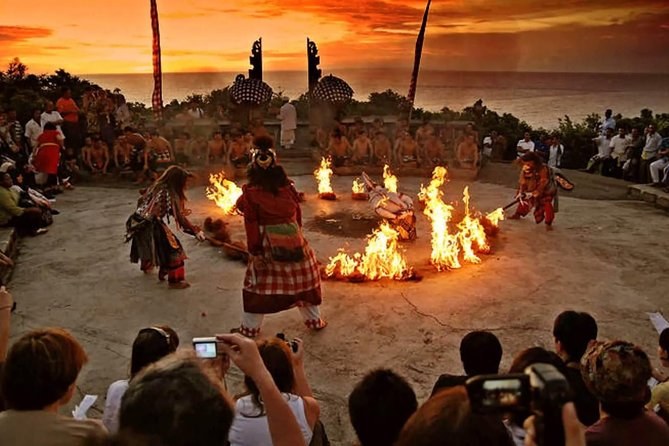
Private Uluwatu Sunset Tour with Kecak Dance and Dinner
Hotel pickup, an hour on the clifftop, the six o'clock dance and dinner at Jimbaran.
From $31 per person
Check Availability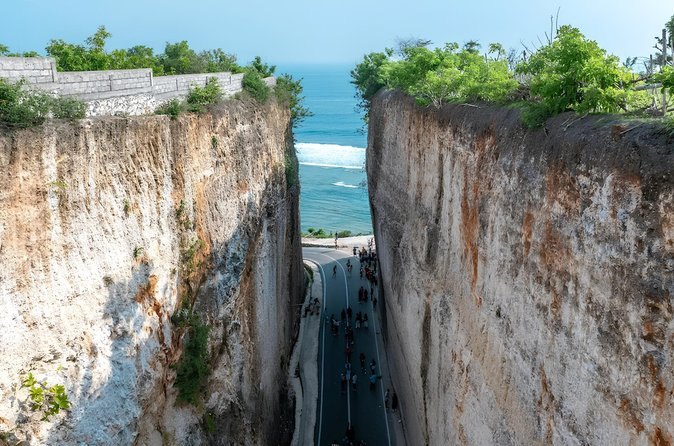
Bali: Full-Day Private or Shared Uluwatu Highlights Tour
Five stops down the Bukit with temple and dance entry included, private or shared.
From $20 per person
Check Availability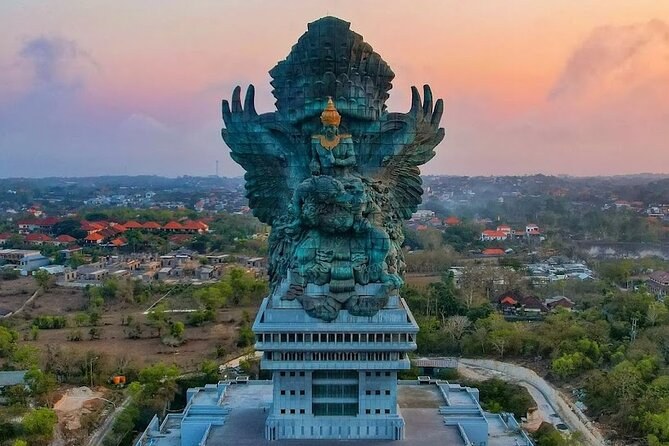
Full Day All Inclusive South Bali Uluwatu Private Tour
Three hours at Garuda Wisnu Kencana, lunch included, the fire dance to close.
From $75 per person
Check Availability